Loulé

Vamos falar um pouco sobre está linda e pequena cidade, sabe-se que o Conselho de Loulé tem vindo a ser habitado dês da pré-história. A parte antiga da cidade (onde se encontra o castelo) foi habitada pelos romanos, mais tarde também pelos visigodos e árabes. Está cidade tornou-se muito popular, principalmente devido a presença dos árabes na localidade.
Loulé foi reconquistada pelos cristãos no ano de 1249, recebendo mais tarde em 1266 o "Foral de Vila".
_________________________________________________________________
We'll talk about this little and gorgeous city so called Loulé, it is known for a fact that this city has been inhabited since prehistory. The oldest party of the city( where the castle is located) was inhabited by the romans, later on by visigoths and then arabs. This city became very popular mostly because of the presence of the arabs in the vacinity.
Loulé was rebuilt by the christians in the year 1249, receiving the "Foral de Vila" on 1266. Which is a document that claims it a county.
Pontos Turísticos:

É uma construção militar de origem árabe, foi reconstruído no séc. XIII, após a conquista da cidade por D. Paio Peres Correia. No seu interior encontra-se o Museu Municipal e o Centro de Documentação Municipal.
_________________________________________________________________
A military construction that is Arab in origin, Loulé Castle was rebuilt in the 13th century after the city was taken from the Moors by D. Paio Peres Correia. Inside, the Municipal Museum and the Municipal Document Centre can be found.
No edifício da antiga alcaidaria do castelo encontra-se o Museu Municipal. No interior podemos encontrar uma exposição de arqueologia com objetos encontrados com o Conselho e a exposição "Cozinha Tradicional".
_________________________________________________________________
The building of the castle’s old “alcaidaria” houses the Municipal Museum, where visitors can see an incredible exhibition of archaeology with objects found in the municipality of Loulé, as well as the “Traditional Kitchen” exhibition.
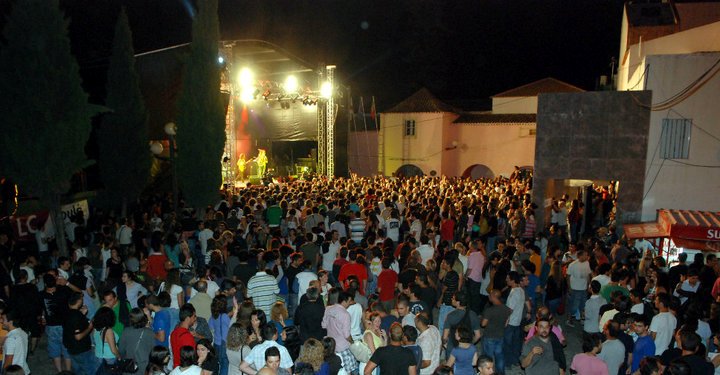
 O Festival MED foi realizado pela primeira vez em 2004, tornando-se em pouco tempo um dos maiores festivais de música de toda a Europa. Este festival tem como principal função trazer a Portugal e ao mundo, uma variedade enorme de Músicas e culturas. Tornando-se cada vez mais popular ao longo dos anos.
_________________________________________________________________
A military construction that is Arab in origin, Loulé Castle was rebuilt in the 13th century after the city was taken from the Moors by D. Paio Peres Correia. Inside, the Municipal Museum and the Municipal Document Centre can be found.
 |
| Ponto Turístico 2 - Museu Municipal |
_________________________________________________________________
The building of the castle’s old “alcaidaria” houses the Municipal Museum, where visitors can see an incredible exhibition of archaeology with objects found in the municipality of Loulé, as well as the “Traditional Kitchen” exhibition.
Eventos Culturais:
________________________________________________________________
The Med Festial was first celebrated in 2004, becoming in short notice one of the biggest musical festivals in all Europe. This festival main objective is to bring to Portugal and the rest of the world, a huge variety of music and culture. Becoming more and more popular each year.
 |
| Evento 2 - Festa da Mãe Soberana |
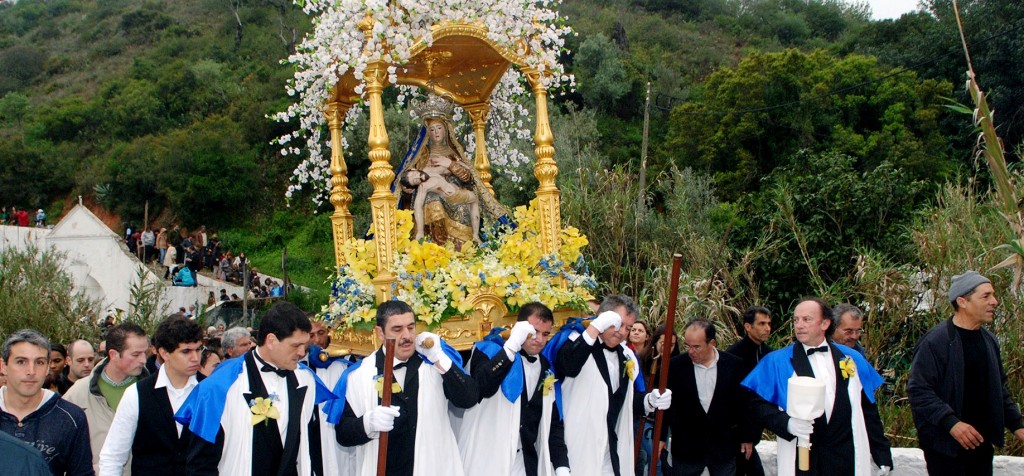
A primeira festa tem como objetivo levar a Imagem da nossa Senhora até ao seu santuário na Igreja de São Francisco. (Festa Pequena)
A segunda realiza-se durante a missa, deixando a Estátua de Nossa Senhora no centro do monumento de Duarte Pacheco, sendo levada mais tarde de volta ao santuário, ao som das bandas que a homenageiam.
_________________________________________________________________
The "Mãe Soberena" festival is an annual commemoration in tribute of "Nossa Senhora da Piedade". There are 2 commemorations each year, first being on first Sunday of Easter and the second being 15 days later
The first commemoration objective is to bring the Image of "Nossa Senhora" to the sanctuary of the church of São Francisco, which is called small festival.
The second commemoration is done during the Mass, leaving the Statue of "Nossa Senhora" in the center of the monument of Duarte Pacheco, then being taken later on back to the sanctuary, at the melody of the bands that make their tributes.
_________________________________________________________________
The "Mãe Soberena" festival is an annual commemoration in tribute of "Nossa Senhora da Piedade". There are 2 commemorations each year, first being on first Sunday of Easter and the second being 15 days later
The first commemoration objective is to bring the Image of "Nossa Senhora" to the sanctuary of the church of São Francisco, which is called small festival.
The second commemoration is done during the Mass, leaving the Statue of "Nossa Senhora" in the center of the monument of Duarte Pacheco, then being taken later on back to the sanctuary, at the melody of the bands that make their tributes.
